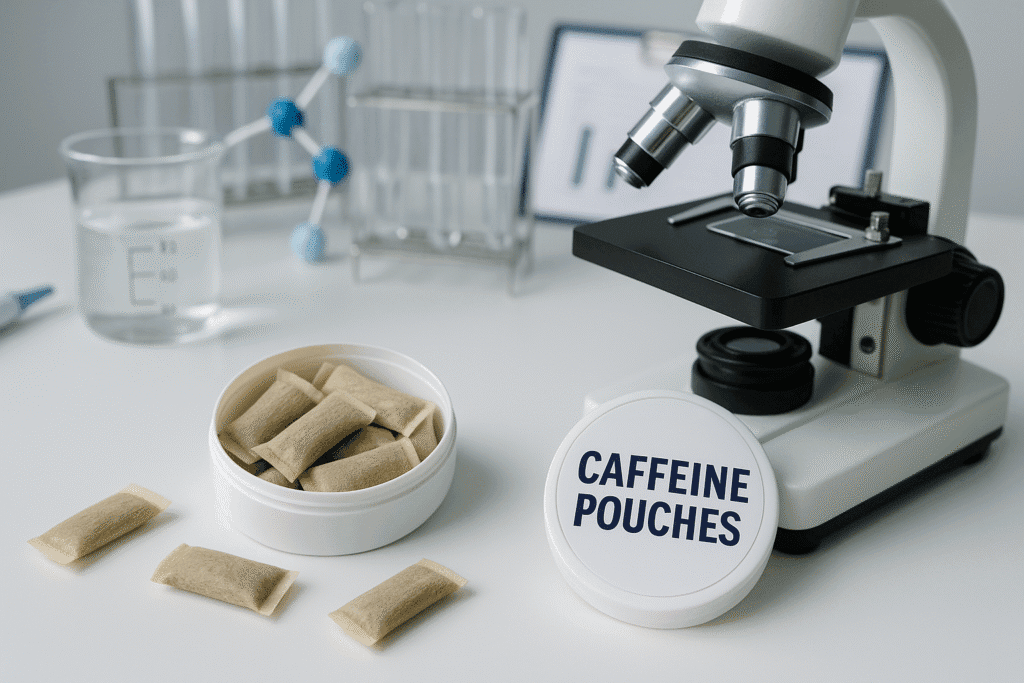
Are Caffeine Pouches Bad for You / Are Caffeine Pouches Safe?

Caffeine pouches have seen a massive rise in popularity over the last two years, soon becoming the most sought-after energy supplement. But as more products enter the market, consumers are inevitably asking one question:
Are Caffeine Pouches Bad for You or Are Caffeine Pouches Safe To Use?
This article will analyze the facts the science shows, the process of how caffeine pouches work, the dangers associated with them, as well as whether they are a safe option in terms of energy drinks and coffee.
What Are Caffeine Pouches
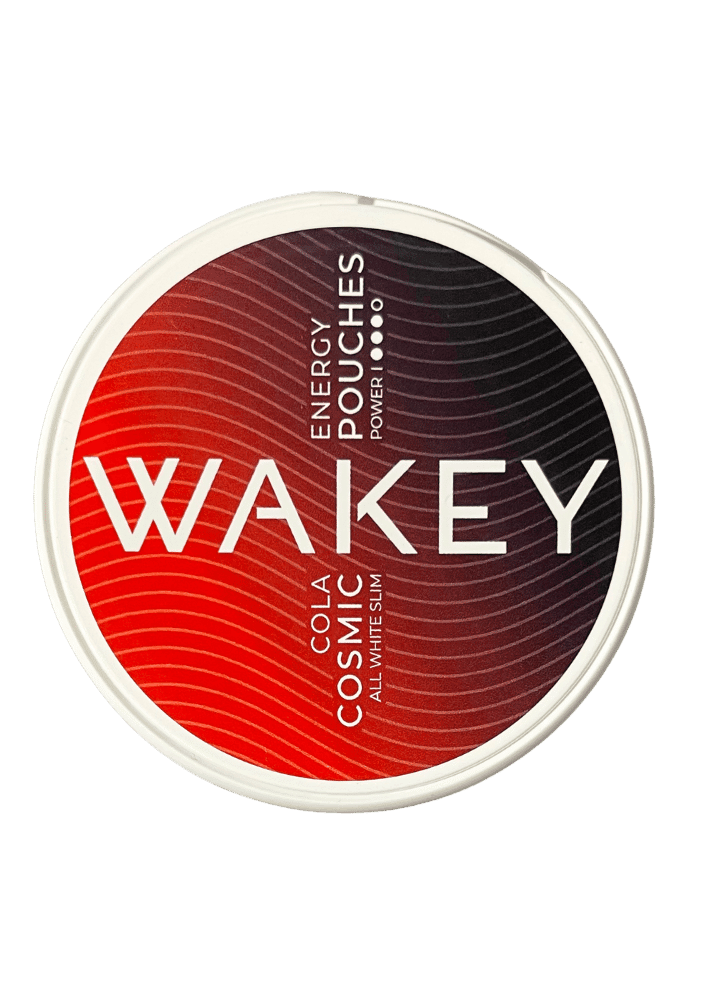
These are small tea bag-like pouches that are placed under the lip. The caffeine gets infused through the lining of your mouth, rather than your digestive process. Unlike coffee, energy drinks, and other similar beverages, they do not contain:
- No sugar
- No carbonation
- Fewer Calories
They’re commonly used by students, athletes, shift workers, as well as others seeking a quick energy fix.
Popular brands include:
Wakey, Iceberg Energy, Grinds, Zippz, Niccos Caffeine.
In terms of dosage, it can be seen that, in comparison to coffee, pre-workout, or energy drinks, the dosage of the caffeine in the pouch might be more refined, as it normally ranges from 30 mg to 150 mg.
The Effects of Caffeine in the Body
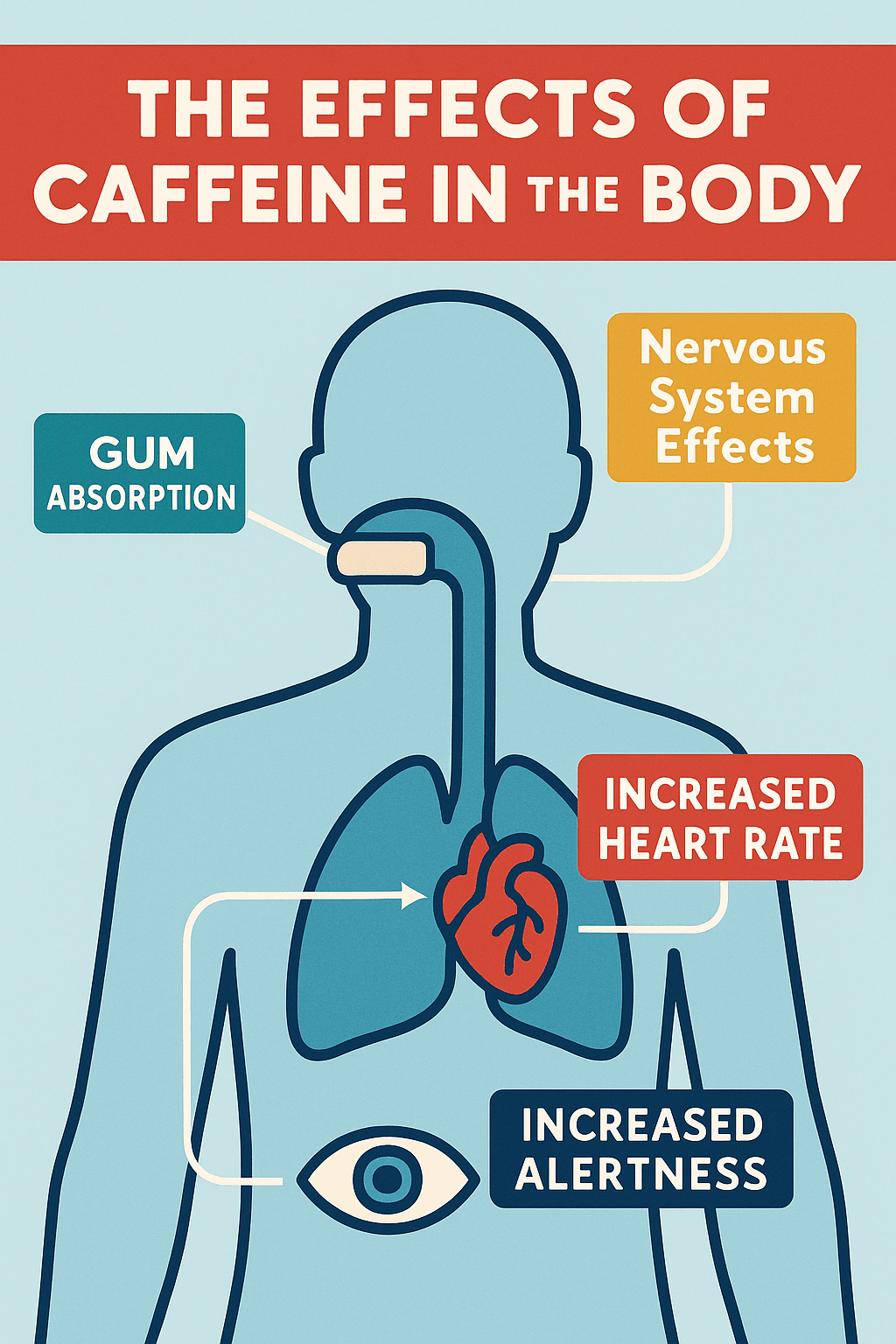
The way in which caffeine pouches work is very different from that of other beverages, as it involves oral absorption so its hard to answer are caffeine pouches bad for you or if caffeine pouches are safe.
1. Absorption by the gums
Caffeine can be absorbed through the oral mucosa, bypassing the digestive process.
This means that the effects could begin as early as 5 to 10 minutes.
2. How the Stimulant Affects Your System
Adenosine, a chemical which causes drowsiness, is blocked by caffeine. This, in turn, helps experience the following:
heightened alertness
improved reaction time
improved focus
temporary reduction in fatigue
3. Research Support
Sports scientists highlight the efficiency of oral caffein intake, which has long been applied in sports to rapidly supply the body with energy.
The importance of sleep experts also pointing out the half-life of caffeine, which takes between 5 to 6 hours, notwithstanding staying awake after consuming it in the late hours.
Are Caffeine Pouches Harmful to Your Health? What the Studies Say
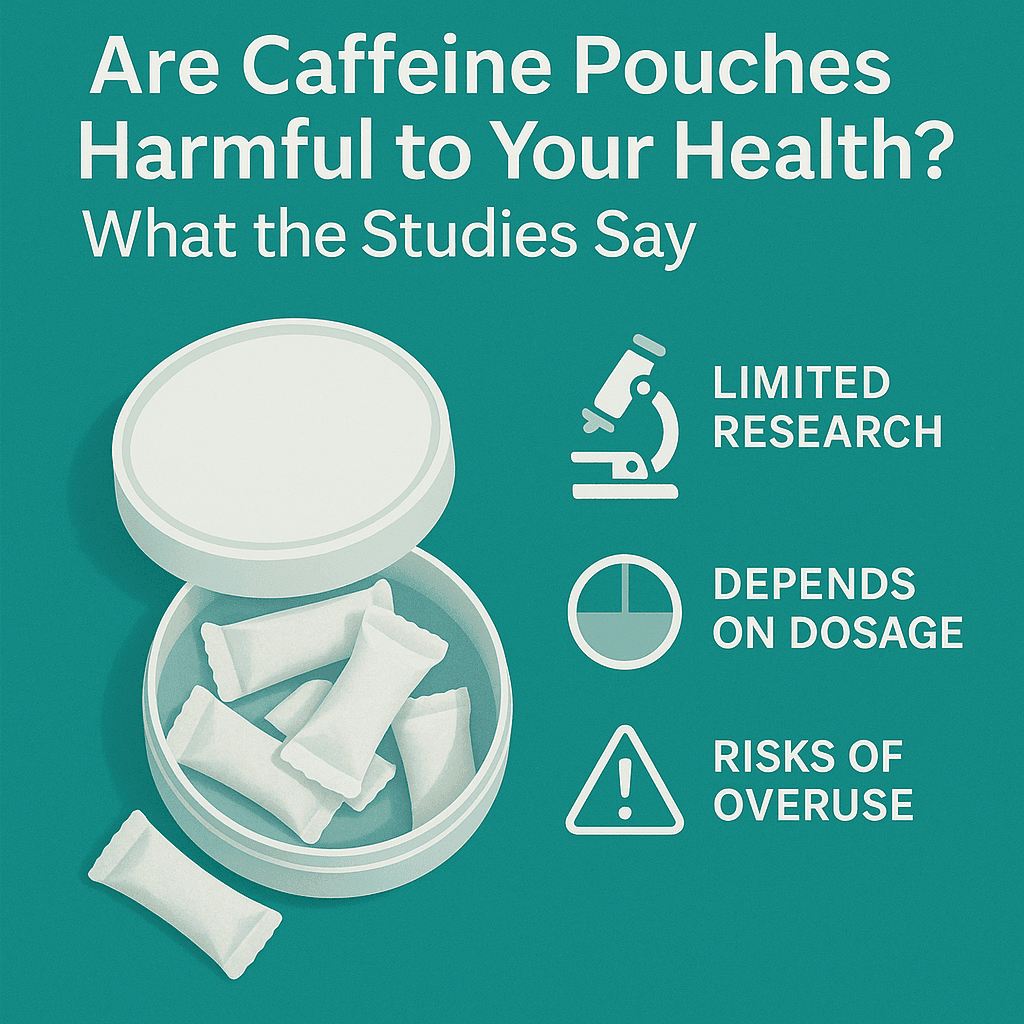
At the present time, there isn’t much literature related to caffeine pouches, but the current state of caffeine research can be applied.
Caffeine itself has been well researched but pouches aren’t so its hard to answer are caffeine pouches bad for you.
The dosage up to 400 mg daily has been deemed safe by the FDA for most individuals.
The ingredients in the Caffeine Pouches are fewer compared to energy drinks/pre-workouts so the risks are greatly dosage-dependent.
Issues arise when an individual surpasses the daily amount of caffeine intake, as well as the mixing of pouches with coffee or energy drinks.
In some individuals, the metabolism of caffeine takes longer, so there are more adverse
Are they worse than other sources of caffeine?
No. In reality, caffeine pouches are no more dangerous than coffee, energy drinks, and in most instances, less so in terms of chemicals, sugar, and stimulants but are caffeine pouches safe?
Now we know whether are caffeine pouches bad for you here are some possible Side Effects of Caffeine Pouches, caffeine pouches can be safe if used properly, but, like all other stimulants, they can also produce some adverse effects, mainly when overused.
Possible Brief Adverse Effects:
- Gum irritations, irritability, sensitivity
- Jitteriness or shaking
- Heart racing
- Anxiety or restlessness
- Headaches
- Stomach discomfort
Long-term concerns:
There are no known consequences of cancer, tooth decay, or other oral injury, but overuse could be related to:
- Chronic gum irritation
- Caffeine addiction
- Disrupted sleep cycles
- Heightened anxiety in sensitive individuals
Conclusion
The pouches containing caffeine are safer as well as cleaner, compared to energy drinks, but may produce some adverse effects if overused. So are caffeine pouches bad for you?
Not necessarily.
Caffeine pouches can be a clean, safe, and effective means of obtaining energy so long as you remain within safe levels of caffeine ingestion so caffeine pouches are safe to an extent.
Caffeine pouches could be considered in the following situations: you want caffeine without sugar you prefer quick absorption you dislike consuming coffee drinks or energy drinks you’ll want something discreet, portable.
Using them properly by: set daily caffeine levels below 400 mg taking spaced-out doses avoiding use late in the day not mixing multiple strong sources of caffeine placement of switching pouch to prevent gum irritation.
References


Interesting breakdown on caffeine pouches — I think many people underestimate how quickly they can deliver caffeine compared to coffee or energy drinksBlog comment creation. It would be great to see more discussion about how tolerance and sensitivity play into their effects, since that’s often overlooked in these conversations. Understanding dosage and frequency really seems key to using them responsibly.
Nice Post.
Cool blog.
Nice blog.
There’s definately a great deal to find out
about this issue. I love all of the points you’ve made.
It’s interesting to see how caffeine pouches have surged in popularity, but the blog rightly points out that not all products are created equal. I appreciate the emphasis on being cautious about caffeine intake and understanding the long-term effects—especially with so many different strengths and brands on the market. It’s a reminder that while these pouches can be convenient, moderation and awareness are key.
wish you best and best
Interesting read. I switched to pouches a few months ago to cut down on coffee stains, but I hadn’t considered the long-term gum irritation you mentioned. Do you know if there’s any research comparing the absorption rate of pouches versus drinking coffee?
Thanks for the marvelous posting! I actually enjoyed reading it, you will be a great author. I will make sure to bookmark your blog and will come back at some point. I want to encourage you to definitely continue your great work, have a nice weekend!
Interesting read! I’ve been using caffeine pouches for a few months now to cut back on coffee, but the bit about gum irritation and potential heart effects has me rethinking. Do you know if there’s any research on how long-term use compares to drinking coffee in terms of overall health risks?
Interesting read. I switched from vaping to nicotine pouches a few months ago and hadn’t really considered the long-term effects on gum health mentioned here. Do you think the risk is significantly lower than with traditional smokeless tobacco, or is it just a different set of problems?
This was a very informative and balanced article on a topic that many people are curious about. I appreciate how you explained both the potential benefits and risks of caffeine pouches in a clear, easy-to-understand way. It’s refreshing to see a well-researched discussion that helps readers make informed decisions about their caffeine consumption.
I’ve been using caffeine pouches for a few months to cut back on coffee, and this article raised some concerns I hadn’t considered before. The point about potential gum irritation really hit home since I’ve noticed some sensitivity lately. Do you think occasional use is still risky, or is it mainly about frequency?
Mainly frequency I would say
Really appreciate this wonderful post that you have provided for us.Great site and a great topic!
Really useful breakdown of the science behind pouches. The 5-6 hour half-life reminder is something I keep forgetting, especially during longer editing sessions. For anyone making video content alongside these pouches, Motion Control AI is worth a look – it handles the motion work in the browser without the usual setup.
Really useful breakdown of the science behind caffeine pouches. The 5-6 hour half-life point is something I keep forgetting, especially during longer editing sessions. For anyone handling product photos for content alongside these pouches, HD Photo Converter is worth a look — it sharpens and upscales images right in the browser, no setup needed.
Great overview of the science behind caffeine pouches. The point about half-life and timing relative to sleep is especially useful for users who want steady focus without disturbing their rest. I appreciate the dose-control framing — it makes a clear case for starting low and tracking how your body responds over time.
The oral absorption angle is really interesting – it makes caffeine pouches quite different from coffee, where first-pass metabolism reduces potency. Pairing the half-life note with the sleep warning is the most practical takeaway for occasional users. Thanks for breaking down the dosing math and risk profiles so clearly.
Interesting read. I’ve been using caffeine pouches for a few months to cut back on coffee, but I wasn’t aware of the potential impact on gum health mentioned here. Do you have any recommendations for safer alternatives that still provide a steady energy boost?
The article does a great job breaking down caffeine absorption and the half-life effects on sleep. I appreciate the practical tone on dose timing and heart rate. As someone who works late-night shifts, I find caffeine pouches a useful low-calorie alternative to energy drinks.
Really helpful breakdown of how caffeine pouches interact with the body. The point about slower oral absorption versus a quick coffee is something a lot of users overlook, and the dose-control advice is on point. I also appreciated the section on sleep and heart-rate effects, which matches what I noticed during evening use.
Interesting read. I switched from vaping to caffeine pouches a few months ago, and while I appreciate the lack of smoke, I never realized how much they can spike your blood pressure. The point about the lack of long-term studies is concerning—has anyone looked into how they affect sleep quality over time?
Interesting read. I switched from vaping to caffeine pouches about six months ago and haven’t noticed any major health issues, but the part about gum irritation makes me wonder if I’m causing long-term damage. Does anyone know if there’s a safer brand that uses less acidic ingredients?